What Is a Manual Stainless Steel Globe Valve?
A manual stainless steel globe valve is a type of industrial valve designed to regulate, throttle, and completely stop fluid flow within a pipeline system.
Unlike a ball valve that is mainly used for quick shut-off, a globe valve is engineered to provide better flow control and throttling accuracy. It uses a movable disc and seat mechanism, controlled by a handwheel, to precisely adjust fluid flow.
The valve body is typically constructed from 304 or 316 stainless steel, providing excellent corrosion resistance, high strength, and long-term reliability in harsh operating conditions.
A flanged globe valve features flange-end connections, making it ideal for medium and high-pressure industrial pipelines where secure sealing and easy maintenance are required.
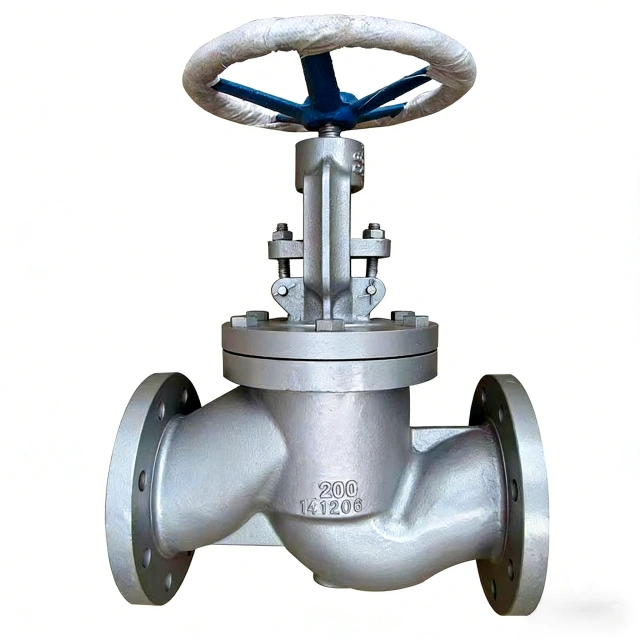
How Does a Globe Valve Work?
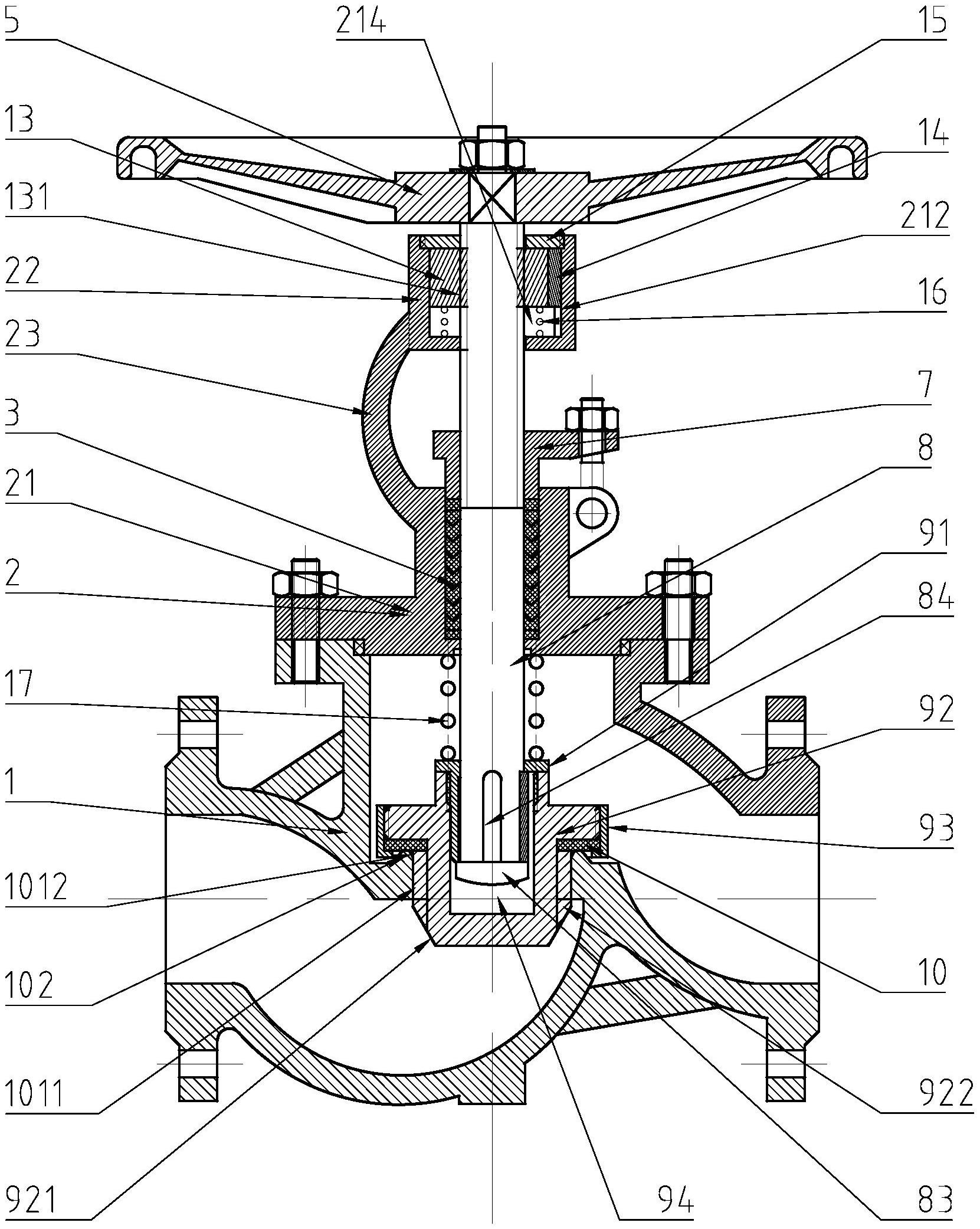
The working principle of a manual globe valve is relatively simple but highly effective.
When the handwheel rotates:
- The stem moves vertically.
- The disc rises or lowers against the valve seat.
- Fluid flow is either opened, restricted, or fully stopped.
This design allows operators to accurately regulate flow rates, making globe valves highly suitable for systems that require precise fluid management.
Unlike a gate valve, which is designed mainly for fully open or fully closed positions, globe valves are ideal for throttling services.
This is why globe valves are commonly used in industries where flow precision matters, such as:
- Steam systems
- Oil & gas facilities
- Chemical processing plants
- Water treatment systems
- HVAC systems
Why Choose Stainless Steel Globe Valves?
Material selection plays a major role in valve performance.
304 and 316 stainless steel globe valves are among the most popular choices because they offer:
1. Excellent Corrosion Resistance
Industrial pipelines often transport aggressive fluids, chemicals, steam, or treated water. Stainless steel prevents rust and corrosion, significantly extending valve lifespan.
Especially in water treatment plants and chemical industries, 316 stainless steel globe valves provide superior corrosion resistance compared to ordinary carbon steel valves.
2. High Temperature Resistance
Manual stainless steel globe valves can withstand demanding operating temperatures, making them ideal for:
- Steam systems
- High-temperature water pipelines
- Industrial heating systems
- HVAC systems
3. Long Service Life
Due to superior mechanical strength and corrosion resistance, stainless steel globe valves require less maintenance and provide reliable long-term operation.
Globe Valve vs Ball Valve: Which Is Better?
One of the most common questions engineers ask is:
Should I choose a globe valve or a ball valve?
Both valves serve different purposes.
| Feature |
Globe Valve |
Ball Valve |
| Flow Regulation |
Excellent |
Limited |
| Shut-Off Speed |
Moderate |
Fast |
| Precision Control |
High |
Low |
| Maintenance |
Moderate |
Low |
| Best Application |
Throttling |
Quick Shut-Off |
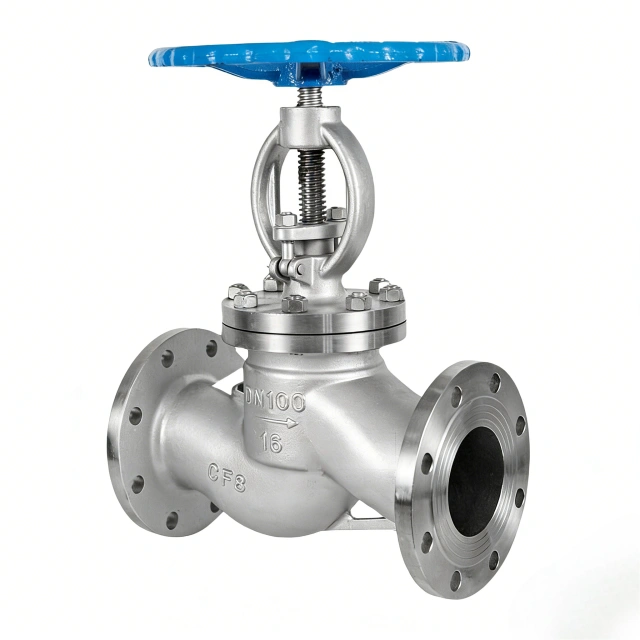
A ball valve is ideal for fast open-and-close operations, while a globe valve provides superior flow control and pressure management.
For industrial processes requiring precise regulation, a globe valve is usually the better option.
Globe Valve vs Gate Valve
Another frequently compared product is the gate valve.
A gate valve is mainly used for full flow or complete shut-off. It is not suitable for throttling because partially open gate valves can cause vibration and seat damage.
By comparison, a manual stainless steel globe valve is specifically designed for accurate flow control.
Use a Globe Valve When:
✔ Flow adjustment is required
✔ Pressure control matters
✔ Precise regulation is necessary
Use a Gate Valve When:
✔ Full open/close service is enough
✔ Minimal pressure drop is preferred
Globe Valve vs Butterfly Valve
A butterfly valve is another popular industrial valve, especially for large-diameter pipelines.
Compared with globe valves:
| Feature |
Globe Valve |
Butterfly Valve |
| Flow Control |
Better |
Moderate |
| Installation Size |
Larger |
Compact |
| Shut-Off Speed |
Moderate |
Fast |
| Cost |
Higher |
Lower |
A butterfly valve is commonly used in low-pressure systems and large pipelines, while globe valves are preferred for more accurate flow regulation.
How Globe Valves Work with Check Valves
In many industrial systems, a check valve and globe valve work together.
A check valve automatically prevents reverse flow in a pipeline, protecting pumps and equipment from damage.
Meanwhile, a manual globe valve allows operators to regulate flow manually.
For example, in water treatment systems, engineers often install:
Pump → Check Valve → Globe Valve
This setup improves operational safety and system efficiency.
Related Industrial Valves in Pipeline Systems
Besides globe valves, industrial piping systems commonly include other valve types:
Plug Valve
A plug valve is mainly used for quick shut-off applications and offers simple quarter-turn operation.
Needle Valve
A needle valve provides extremely precise flow adjustment for instrumentation and low-flow systems.
Diaphragm Valve
A diaphragm valve is ideal for sanitary, chemical, and corrosive fluid applications where contamination prevention is important.
Together with ball valves, gate valves, butterfly valves, globe valves, and check valves, these products create a complete industrial flow control system.
Applications of Manual Stainless Steel Globe Valves
Due to their excellent shut-off and throttling performance, manual stainless steel globe valves are widely used across industries.
Water Treatment
In water treatment systems, globe valves help regulate water pressure and flow for filtration, chemical dosing, and distribution pipelines.
HVAC Systems
Modern HVAC systems rely on globe valves to control hot water, chilled water, and steam circulation efficiently.
Oil & Gas Industry
Globe valves are commonly used in fuel transfer and process pipelines where precise flow control is essential.
Chemical Processing
Corrosion-resistant stainless steel valves ensure reliable performance when transporting aggressive chemicals.
Steam Pipelines
Manual globe valves provide accurate steam flow adjustment and safe shut-off capability.
Benefits of Flanged Globe Valves
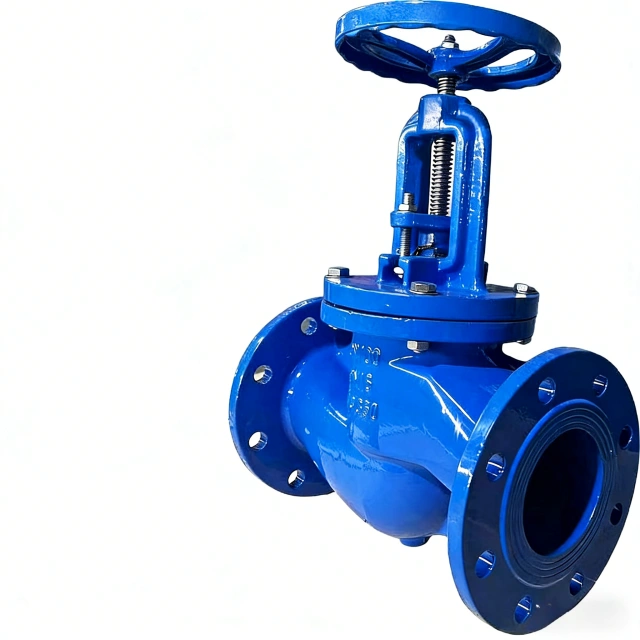
A flanged industrial shut-off valve provides several advantages over threaded connections.
Secure Installation
Flanged ends create strong sealing performance under high pressure.
Easy Maintenance
Technicians can easily remove and replace valves without damaging pipeline systems.
High Pressure Capability
Flanged globe valves are suitable for demanding industrial environments.
Better Stability
The bolted flange structure reduces leakage risk.
How to Choose the Right Globe Valve
Before purchasing a manual stainless steel globe valve, consider the following factors:
Material
Choose 304 stainless steel for general industrial use and 316 stainless steel for corrosive environments.
Pressure Rating
Ensure compatibility with pipeline pressure requirements.
Connection Type
Flanged connections are recommended for industrial systems.
Medium Type
Consider whether the valve will handle:
- Water
- Steam
- Oil
- Gas
- Chemicals
Application Industry
Industries such as water treatment and HVAC systems may have specific valve requirements.
Conclusion
A Manual Stainless Steel Globe Valve | Flanged Industrial Shut-Off Valve is one of the most reliable solutions for industrial flow regulation and shut-off applications.
Compared with a ball valve, gate valve, or butterfly valve, a globe valve provides superior precision and control. When integrated with a check valve, plug valve, needle valve, and diaphragm valve, it helps create a complete and efficient industrial fluid control system.
Whether used in water treatment, HVAC systems, oil & gas, steam pipelines, or chemical processing, stainless steel globe valves provide long-lasting performance, corrosion resistance, and dependable shut-off capability.
If you are looking for a reliable industrial valve manufacturer, choosing a high-quality stainless steel globe valve can significantly improve pipeline efficiency and operational safety.


